
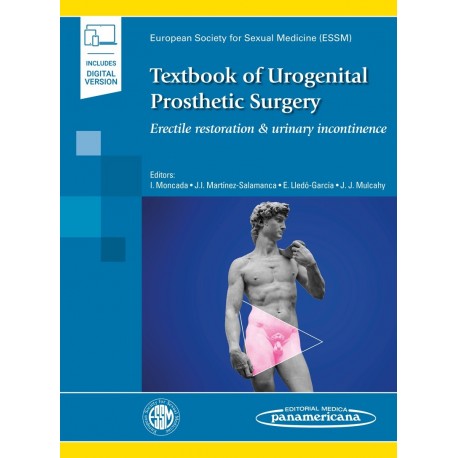
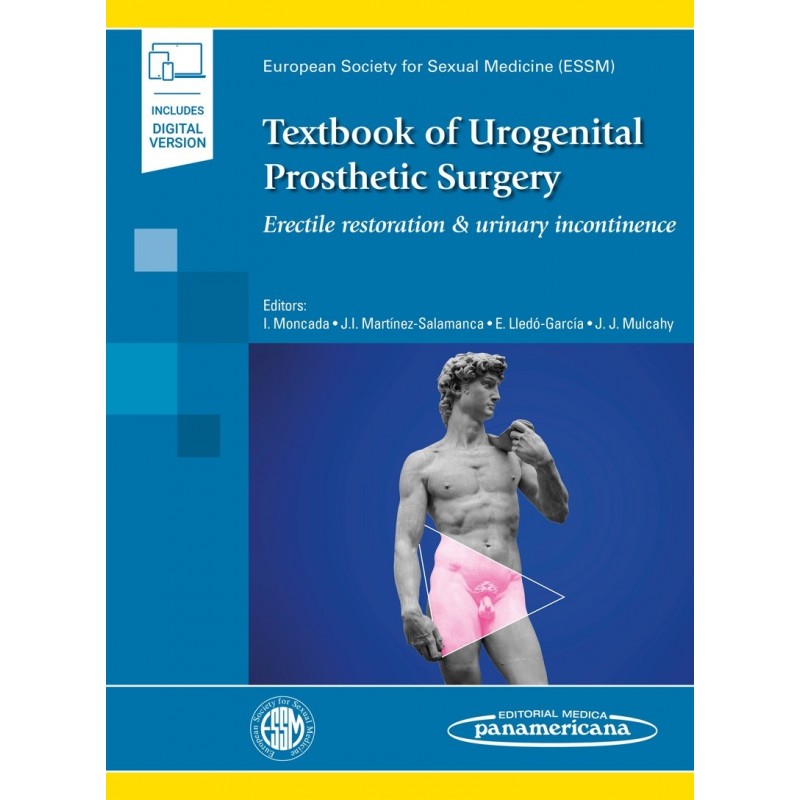
TEXTBOOK OF UROGENITAL PROSTHETIC SURGERY (INCLUDED DIGITAL VERSION)
9788491106999
Más información
DESCRIPTION
Thistextbook gives comprehensive coverage to the surgical management of erectiledysfunction with penile prostheses (PP) and the management of stress urinaryincontinence using bladder outflow resistance created by the artificial urinarysphincter (AUS). Its intended audience are urologists who are interested in oneor both topics.
The text isdivided into 3 sections.
The firstone deals with the history of the development of PP and the AUS, the surgicalanatomy related to male erectile function and male and female urinaryincontinence, operating room logistics for PP surgery, and the steps in settingup a dedicated urologic prosthetic practice.
The secondpart is devoted to restoring erectile function using PP. It includes chaptersdealing with the appropriate evaluation of the surgical candidate, techniquesof implant placement by various incisions, management of the patientpostoperatively including addressing complications, and the use of PP inspecial circumstances including priapism, PeyroniesDisease, fibrotic corporal bodies and the neophallus. The section concludeswith a chapter on building a prosthetic urology practice, periprocedural counseling, and optimizing patient and partnersatisfaction.
The thirdsegment compromises with the AUS including evaluating patient candidates, basicscrotal and perineal placement techniques, intraoperative and postoperativemanagement of the patient and any complications which may develop.
A finalchapter deals with the use of the AUS in women.
TABLE OF CONTENTS
SECTION IGeneral Contents
CHAPTER 1The History of the Penile Prostheses
- First descriptions and management of erectile dysfunction
- Initial attempts at penile prosthesis for the treatment of ED
- 1974 to Today
- Current considerations and new directions
CHAPTER 2Historical Aspects of the Artificial Urinary Sphincter
- Early Devices
- Evolution of the American Medical Systems (AMS) devices
- AMS 800
CHAPTER 3Functional and Surgical Anatomy in Erectile Dysfunction Restoration Surgery
- Smooth Muscle Anatomy
- Tunical anatomy
- Neuroanatomy
- Vascular anatomy
- Space of retzius anatomy
- Extraperitoneal anatomy
- Glans
- Other anatomical considerations
CHAPTER 4Functional and Surgical Anatomy in Male and Female Incontinence Surgery
- General concepts of stress urinary incontinence
- Female anatomy
- Male anatomy
CHAPTER 5General Aspects for a Correct Penile Prosthesis Implant Strategy
- Introduction
- Patient selection
- Surgical logistics
CHAPTER 6How to Set Up a Prosthetic Urology Centre
- Introduction
- The unconditional advantage of a dedicated team
- Pre‑ and post‑operative involvement of dedicated nurses
- The next step: growing and teaching
- Conclusions
SECTION IIErectile Restoration (Inflatable Penil Prosthesis Placement-IPP Placement)
CHAPTER 7 Preoperative Assessment
- Penile prostheses
- Informed consent
- Medical clearance
- Patient personal preparation
- Skin preparation
- Antibiotics
- MRI, metal detectors
CHAPTER 8Basic Scrotal and Infrapubic Techniques
- Anaesthesia
- Penoscrotal vs. infrapubic approach
- The penoscrotal (PS) approach
- The infrapubic (IP) approach
- Salient features of each approach
CHAPTER 9 IntraoperativeManagement I
- Antibiotic use
- Foley catheter placement
- Incisions and retractors
- Corporal dilation and implant placement
- Cylinder choice
- Cylinder sizing
- Ambicor‑rod width sizing
- Cylinder placement
- Corporotomy closure
- PTFE sleeve
CHAPTER 10 IntraoperativeManagement II
- Reservoir placement
- Iliac Vessel injury
- Bladder injury
- Pump placement
- Routing of tubing
- Tubing length (inadequate or redundant)
- Use of drains
- Simultaneous surgery
- Skin closure‑wound dressing
- Semi‑inflation of an IPP
- Special considerations
CHAPTER 11 Postoperative Considerations I
- Antibiotics
- Penile Positioning
- Postoperative visits and wound care
- Cycling the device
- Corporotomy disruption
- Cylinder aneurysm
- Impendingcylinder erosion (laterally or into the urethra)
- Cylinder erosion (laterally or into the urethra)
- Reservoir erosion into the bowel or bladder
- Impending pump or tubing erosion
- Disrupted outer silicone layer
- Presence of calcified matrix (putty) or calcified biofilm
- Scar incased in PTFE sleeve
- Tubing kink
- Connector failure
- Approach to repair of an uninfected implant
CHAPTER 12 Postoperative Considerations II
- Penile necrosis
- Infection
- Bleeding
- Pain
CHAPTER 13 IPP & Corporal Fibrosis
- Introduction
- Etiology of corporal fibrosis
- Surgical strategies in fibrosis
- Other strategies for fibrosis
- Does length matter? Strategies to maximize it
CHAPTER 14IPP and Peyronie's Disease 169
- Introduction
- Specific features of prosthetic Surgery in Peyronie's disease
- Surgical algorithm
- Residual curvature correction after penile prosthesis implantation
- Lengthening procedures in Peyronies Disease
- Complications related to penile prosthesis in the Peyronies population
- Postoperative rehabilitation
- Satisfaction outcomes after penile prosthesis in Peyronies population
CHAPTER 15Redo Penile Prosthesis Implantation for Mechanical Failure
- Epidemiology
- Causes of penile prosthesis failure
- Imaging
- Tips and tricks in redo penile implant surgery for mechanical failure
CHAPTER 16 Penile Implants and Priapism
- Clinical features of priapism
- Treatment
- Immediate penile prosthesis placement
- Penile prosthesis with severe corporal fibrosis
CHAPTER 17 IPP in neophallus
- History
- Use of prosthetic implants in the neophallus
- Principles of penile prosthesis insertion in the neophallus
- Preoperative considerations
- Operative / intra‑op
- Postoperative care
- Functional outcomes
- Complications
- Device survival
- Explantation for infection or erosion
- Revision surgery
CHAPTER 18Building an IPP Practice & Peri‑Procedural Counselingto Optimize Patient Satisfaction
- Building an IPP practice
- Peri‑procedural counseling to optimize patient satisfaction
- Final thoughts on optimizing a high‑volume IPP clinic from Dr. Köhler
- Final thoughts on optimizing a high‑volume IPP clinic from Dr. Wilson
SECTION IIIUrinary Incontinence: Artificial Urinary Sphincter (AUS) and Sling
CHAPTER 19Urinary Incontinence (AUS). Preoperative Assessment (Standard andTroubleshooting)
- Initial evaluation
- Challenging stuations
- Revision surgery
CHAPTER 20 Basic Perineal & ScrotalTechniques
- Anatomy
- Basics
- Surgical procedure
- Comparison of the different approaches
CHAPTER 21 AMS 800 Prosthesis ‑Intraoperative Management
- Antibiotics
- Foley catheter
- Incisions retractors
- Double versus single cuff
- Cuff sites
- Measuring for cuff sizing
- Urethral dissection
- Urethral injury
- Transcorporal (TC) cuff with or without penile implant
- Urethral wrap
- Hydraulic testing
- Choice of reservoir pressure
- Reservoir placement Inguinal, midline, ectopic
- Reservoir filling technique, volume
- Pump placement
- Routing of tubing
- Wound closure Dressing
- Urethral catheter removal
CHAPTER 22Artificial Urinary Sphincter (AUS) Postoperative Considerations
- Initial deactivation (6 8 weeks)
- Antibiotics
- Urinary retention
- Wound separation
- Early device infection
- Subsequent post‑operative period
- Late complications
- Risk factors
- Device information card and medic alert
- Management of situations after recovery is complete
- Other conditions that complicate artificial sphincter use and longevity
- Concern about the pressure‑regulating balloon location
CHAPTER 23Artificial Urinary Sphincters (AMS 800®, Boston Scientific, MA, USA) in Women
- History of the prosthesis and its use in women
- Indication and counterindications
- The AMS 800® device in neurogenic patients
- Surgical procedure
- Results
Reseñas
No hay reseñas de clientes en este momento.
10 otros productos de la misma categoría:
-
KIT DE CRIOTERAPIA CRY-AC 0.3 L
1 025,00 €
-
LAPARO ASPIRE VER. MEDIUM. LAPAROSCOPIC TRAINER
680,50 €
-

ADAPTADOR DE CORRIENTE ELECTRICA OMRON M2, M3, M6 IT, M7, M10 IT
19,80 €
-
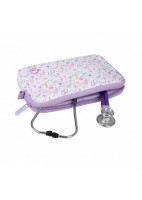
FUNDA FONENDOSCOPIO CARE COLLECTION
9,95 €
-
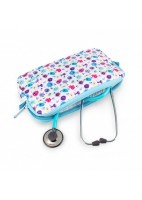
FUNDA FONENDOSCOPIO VIRUS COLLECTION
9,95 €
-
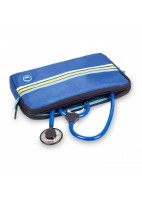
FUNDA FONENDOSCOPIO EIGHTIES COLLECTION
9,95 €
-

GUIA PRACTICA PARA PROFESORES DE MEDICINA
72,20 € -5% 76,00 €
-

LAPARO ASPIRE VER. ESSENTIAL LAPAROSCOPIC TRAINER
638,28 €
-

FUNDA FONENDOSCOPIO ORGANOS
9,95 €
-
ESTUCHE FONENDOSCOPIO CON SOLAPA INTERIOR
19,95 €


LibreriaMedica.es
 Conócenos

Estudiantes
 Estudiantes